

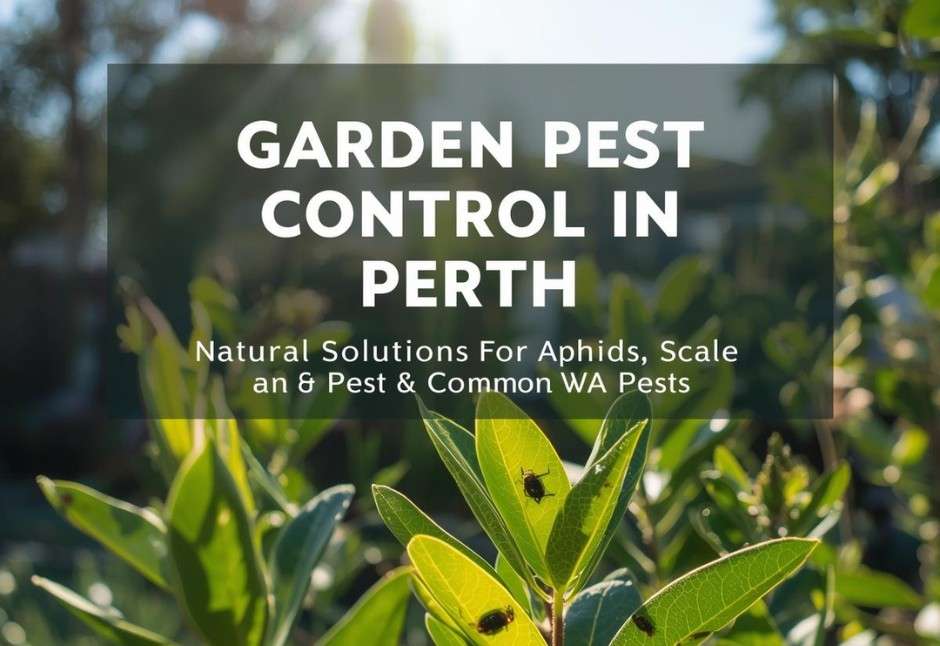
23 Sep Garden Pest Control in Perth: Natural Solutions for Aphids, Scale & Common WA Pests
Few things are as frustrating as nursing your garden through Perth’s hot summer and then watching prized roses smothered in aphids or citrus trees under attack from scale insects. If you’re battling the same garden pests Perth residents know all too well, you’re definitely not alone.
The thing is, reaching for harsh chemical sprays isn’t always the answer. Actually, it often creates more problems than it solves. Those chemicals harm beneficial insects and contaminate your soil, and if you’re growing veggies or herbs, you really don’t want that stuff anywhere near your dinner plate.
The good news for gardeners in Perth? Natural pest control methods really work and in the long term, they’re more sustainable. And this is what makes most organic gardeners grin with self-satisfaction; it’s immensely rewarding to be smarter than garden pests without converting your backyard into a chemical war zone.
Understanding What You’re Up Against
Let us first understand the problem before moving on to the solutions. There are particular challenges that gardens in Perth have to face owing to our climate and native conditions.
Aphids probably top the list of common headaches. These tiny sap-suckers multiply fast, loving soft new growth on roses, citrus trees, and veggie plants. They can be seen clustering mostly on stems and under leaves, where they leave a sticky residue.
Scale insects are elusive. They appear as tiny bumps on stems and leaves, often mistaken by most gardeners as some part of the plant. These parasites can be found commonly on citrus, oleander and many native WA plants.
Another Perth favourite – whiteflies. Disturb an infested plant and a cloud of minute white insects takes flight. Particularly fond of tomatoes and brassicas.
Mealybugs and spider mites hide in inaccessible places, leaving behind webbing or cottony residue. They become a real problem on houseplants that are taken outdoors for the summer.
Completing this supporting cast are caterpillars and beetles eating their way efficiently through leaves and flowers. Apparently, these pests view your garden as an endless source of food.
The worst part? Our mild Perth winters mean many of these pests never fully die off. According to Western Australia’s Department of Primary Industries and Regional Development (DPIRD), our temperate climate allows pest populations to survive year-round rather than being killed off by harsh frosts. They just slow down a bit, then come back with a vengeance when spring hits.
Why Natural Solutions Actually Work Better
Here’s something most chemical pest control companies won’t tell you. When you spray broad-spectrum insecticides, you’re killing everything. That includes ladybirds, lacewings, hoverflies and other beneficial insects which were actually on your side – hunting down those aphids for free.
It’s like burning down your house because you saw a spider.
Natural pest control methods target the problem without destroying the whole ecosystem of your garden. Furthermore, pests cannot develop immunity to things like a strong spray of water or soap solutions as they do with chemical pesticides.
Let’s be honest, using natural pest control methods is also more cost-effective. Most natural remedies involve ingredients you already have at home.
Aphids: Perth’s Most Common Garden Pest
Aphids are small, but not invincible.
- Water spray method: Blast them off with water. A powerful spray from your garden hose will dislodge the aphids, and they’re generally too stupid to crawl back up again. Do this in the early morning for a couple of consecutive days.
- Soap spray: Mix one tablespoonful of pure soap – not detergent – in a litre of water. Spray directly on the aphids, making sure you hit the undersides of leaves as well. The soap breaks down their coating and they dehydrate.
- Attract natural predators: Ladybirds consume fifty aphids per day. Flowering herbs bring them in. Plant flowering herbs, such as dill, fennel, and yarrow. Free security guards that work for pollen.
- Use trap crops: Grow nasturtiums near the susceptible plants. Aphids love nasturtiums more than your other plants, so they act as a decoy. Let them infest the nasturtiums, then either spray or remove the plants entirely.
The smartest thing to do is to combine them. Begin with water for quick results, set your trap crops as a continuous protection system, and allow the beneficial insects to do their work. Establish a system that can effectively manage aphids in Perth gardens over an extended period.
Getting Rid of Scale Insects Naturally
Scale insects are trickier because of their protective coating. That tough shell makes them resistant to many treatments that work on softer-bodied pests.
For light infestations, you can physically remove them. Get an old toothbrush, dip it in soapy water or rubbing alcohol, and scrub them off. It’s tedious, sure, but it works. Think of it as meditation. Annoying meditation.
| Method | How It Works | Best Timing |
| Manual removal | Use an old toothbrush dipped in soapy water or rubbing alcohol to scrub scale off stems and leaves | Light infestations, year-round |
| Horticultural oil | Smothers scale insects under their protective shells, blocking oxygen | Spring and early summer during crawler stage |
| Soap and oil spray | Mix vegetable oil with dish soap and water. Spray thoroughly to coat all visible bumps | Weekly applications for 2-3 weeks |
| Prune heavily infested areas | Remove and dispose of branches with severe scale buildup | Anytime, but especially before new growth |
For larger infestations, horticultural oil is your friend. This suffocates scale insects beneath their shells. You can purchase commercial horticultural oil or improvise your own by mixing vegetable oil with a drop of dish soap and water. Spray thoroughly, covering all the bumps you can see. You’ll have to repeat this application every week or two because scale insects are in different life stages, and probably the eggs beneath that waxy cover survive the first treatment.
Timing matters here. It is easier to control them while they are still crawling, before they settle down and build that protective shell. In Perth, they are most active in their crawling stage during spring and early summer. That’s your window of opportunity, too.
Natural Solutions for Other Common Pests
Whiteflies, caterpillars and other general nuisances of the garden require a different approach from that used for aphids or scale. This is what actually works.
- Yellow sticky traps: Suspend bright yellow cards coated with some sticky substance near the infested plants. The whiteflies are attracted to the yellow cards and get stuck in the sticky substance – not dignified but effective.
- Neem oil spray: Acts as both repellent and insecticide, breaking the life cycles of pests while not harming beneficial insects. Mix according to package directions and spray in the evening so there is no leaf burn. Do not use if bees are present.
- Bacillus thuringiensis (Bt) for caterpillars: A completely natural bacterium that specifically acts on caterpillar digestive systems and is non-toxic to humans, bees or any other wildlife.
According to the Queensland Government’s Department of Agriculture and Fisheries, Bt is one of the safest biological pesticides available for home gardeners. Let nature take its course after spraying the affected leaves.
The key with these solutions is consistency. One application rarely solves the problem completely. Plan to treat every week or so until you see the pest population drop off significantly.
Building a Pest-Resistant Garden
The best pest control is preventive. A healthy plant can withstand and recuperate from pest damage much better than a stressed one.
- Proper watering: Deep, infrequent watering promotes stronger plants. Our sandy Perth soils require more frequent watering, but don’t just give them a shallow sprinkle daily.
- Mulch matters: Organic mulch retains moisture in the soil, deprives weeds of sunlight, and eventually improves the structure of the soil by breaking down. Better soil, fewer pests.
- Companion planting: Strong-smelling herbs such as rosemary, lavender and basil help repel common pests; marigolds may help deter nematodes.
- Diversity is key: Mix some ornamentals with the vegetables and a few natives from WA with exotics. Pests that specialise in one particular plant will have a hard time taking over.
Not rocket science, but it works. Healthy soil and a well-maintained garden with diverse plantings will naturally resist pest problems. A beneficial insect-friendly environment is created, and problem pests struggle to get established.
When Professional Help Makes Sense
DIY natural pest control works for most people in most situations. Sometimes you need real expert advice or hands-on help if there is a serious infestation, or you are not quite sure what is munching on your plants.
Experienced professional landscapers specialising in organic pest management can accurately identify pests and beneficial insects that should be protected. They understand specific climate and soil conditions for Perth, WA. They also know the basics of integrated pest management, which focuses on treating the actual problems instead of just the symptoms.
If your garden is large or you simply do not have the time for regular monitoring and treatment, then consider an investment in professional maintenance involving natural pest control. It is an investment in the long-term health of your garden.
Monitoring and Staying Ahead
The trick to successful natural pest control Perth gardeners swear by is regular monitoring. Walk through your garden a few times a week. Turn over some leaves. Check the growing tips. Look for signs of pest damage before it becomes a major problem.
Early intervention is everything. A dozen aphids? Easy fix. Thousands of aphids with several ant colonies farming them? That’s a bigger project.
Keep notes if you want to. When do aphids normally appear on your roses? When does scale become visible on your citrus? These all repeat every year. Knowing the pattern helps you stay ahead of problems.
Wrapping Up
Dealing with garden pests Perth throws at us does not require a chemistry degree or a shed full of toxic chemicals. Natural solutions work; they’re safer for your family, pets, and the environment—and they support a healthier garden ecosystem overall.
Yes, it requires more checking and sometimes re-applications. That is the trade-off for a truly healthy garden and not just temporarily pest-free because you have killed everything that moves.
Your Perth garden can thrive without chemical warfare. It just needs the right approach, a bit of patience, and maybe some ladybirds.
Ready to get serious about developing a low-maintenance, pest-resistant garden that looks great year-round? Martin Cuthbert’s team understands Perth’s unique gardening challenges and can work with you to develop a sustainable approach that keeps your outdoor spaces healthy and looking good. Sometimes the best pest control is simply having a garden designed and maintained to resist problems in the first place. Get in touch to chat about your garden.
